


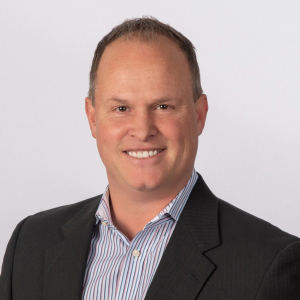
 Brian Sulpizio, Co-founder
The right people along with continuity is the most powerful synergy that creates unmatched downstream cost and operational efficiencies for our sponsors. Corporate memory and experience reside in the people. Not the technology. Not the processes.
About 20 years ago, CRO vendors attracted some of the best and brightest in the industry. However, over the past few decades, there’s been a shift from patient-focused, service-centric obligations to a primary emphasis on the fiduciary responsibilities of the CEOs of the CROs. That shift has displaced so many medical writing resources because the approach to commoditize and provide high volume services breaks the foundational belief systems of top achievers.
They will not—they cannot—put their names next to those companies for those reasons. As a result, over the past few decades, the most talented employees have become displaced.
Accessibility, responsiveness, flexibility, and devotion to quality are more than just words on paper. inSeption never wavers from building its foundational model with the right people. Although process and technology are critical, they come in a distant second to the right people doing the work. When our clients engage our people who accept personal responsibility for the program’s success as the clients would, with the aforementioned characteristic traits, success becomes a more predicable outcome.
inSeption has built a culture that serves as a home to those who have been displaced by a “faceless” approach that often results in clients saying, “I might as well have done it myself” or “the longer it takes the vendor to do the work, the more I pay them.” Our teams are veterans in the industry and bring their years of experience to the table.
"inSeption builds trust by doing what we promise in the timing we promise, all aligned with the needs of our clients and leveraged by the experience and knowledge our teams provide," Brian Sulpizio, Co-founder.
Sometimes we wish it were something fancier. It’s not. inSeption builds trust by doing what we promise in the timing we promise, all aligned with the needs of our clients and leveraged by the experience and knowledge our teams provide. This is integrity; this is inSeption. When our clients succeed, we succeed.
The Write Side Of AI: Helping Hands, Not Replacement Plans
Wednesday, March 20, 2024
inSeption Group A quick review of the presentation agenda at the 2023 American Medical Writers Association annual conference left no doubt: medical writers want to know more about the use of artificial intelligence (AI) in the pharmaceutical industry and its effect on their future employment. The conference welcomed multiple vendors offering promising AI solutions to fulfill medical writing needs. While most of those solutions are not based on “true” AI systems (they are programming-related templates), they still promise to write a clinical study report first draft in a matter of hours—something that could take a trained medical writer weeks to complete.
Additionally, the conference was abuzz with news of several major pharmaceutical companies being leaps ahead with AI technology, having developed ring-fenced versions of their preferred AI systems to protect against confidentiality problems. Accordingly, many medical writers left the conference feeling anxious about their futures as a specific question lingered on their minds: Will AI replace me?
The short answer is: Not any time soon. As AI continues to offer new opportunities and capabilities across the medical writing profession, writers may experience a disruption to our traditional ways of doing things. Adapting to this rapidly changing landscape will require us to redefine our roles and responsibilities. And who better to lead this change than the writers themselves?
